
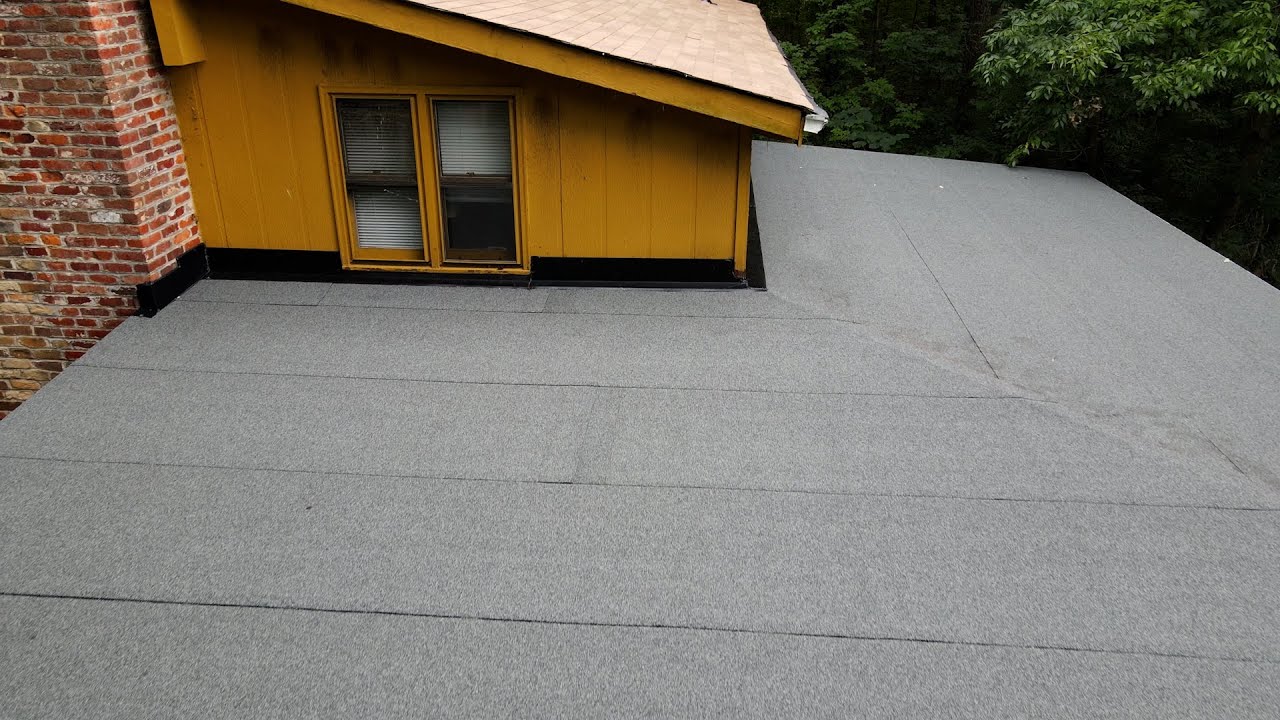
Flat roofs are a popular choice for both residential and commercial properties due to their modern aesthetic, cost-effectiveness, and versatility. However, proper installation is crucial to ensure durability, energy efficiency, and long-term performance. Hiring a professional company or experienced contractor guarantees that your flat roof is installed correctly and built to withstand the elements.
Why Choose a Flat Roof?
Flat roofs offer several advantages over traditional sloped roofing:
- Modern design: Sleek, contemporary look for homes and businesses
- Cost-effective: Typically less expensive to install than pitched roofs
- Energy efficiency: Easier to insulate and maintain, which can reduce energy costs
- Usable space: Can be used for rooftop decks, gardens, or solar panel installations
- Ease of maintenance: Simple access for inspections and repairs
Despite these benefits, flat roofs require precise installation techniques to prevent leaks and water pooling, making professional installation essential.
Types of Flat Roof Systems
Professional contractors offer a variety of flat roof systems tailored to different needs and budgets:
1. Built-Up Roofing (BUR)
BUR consists of multiple layers of bitumen and reinforcing fabrics, topped with a protective layer of gravel or mineral aggregate. This system is durable and offers excellent waterproofing, making it suitable for commercial and industrial buildings.
2. Modified Bitumen Roofing
Modified bitumen combines asphalt with polymer additives for enhanced flexibility and weather resistance. Contractors often recommend this system for both residential and commercial properties due to its durability and ease of installation.
3. Single-Ply Roofing
Single-ply membranes, such as TPO, EPDM, or PVC, are lightweight and easy to install. They are ideal for energy-efficient roofing solutions, reflecting sunlight and reducing cooling costs.
4. Spray-On Roofing
Spray polyurethane foam (SPF) provides seamless insulation and waterproofing. Professional contractors apply it directly to the roof deck, creating a custom fit and long-lasting protection.
The Flat Roof Installation Process
Working with a professional roofing company ensures a smooth, efficient, and high-quality installation. The typical process includes:
Step 1: Inspection and Assessment
A trusted contractor evaluates your existing roof structure, identifies potential issues, and recommends the best flat roof system for your property.
Step 2: Design and Planning
The contractor considers factors such as drainage, insulation, roof load, and local climate to design a roof that maximizes performance and longevity.
Step 3: Material Selection
Professional companies guide homeowners in selecting high-quality materials, from single-ply membranes to modified bitumen, ensuring durability and aesthetic appeal.
Step 4: Installation
- Remove the old roofing material (if applicable)
- Prepare the roof deck for installation
- Install insulation, underlayment, and roofing membrane
- Ensure proper sealing around edges, drains, and penetrations
- Conduct a final inspection to verify water-tightness and structural integrity
Step 5: Post-Installation Maintenance
A professional contractor provides maintenance guidance, including routine inspections, cleaning debris from drains, and identifying early signs of wear or damage.
Benefits of Hiring a Professional Contractor
While some homeowners may consider DIY or unlicensed work, hiring a professional roofing company offers numerous advantages:
- Expertise: Contractors have the skills and knowledge to install flat roofs correctly, reducing the risk of leaks and damage.
- Time Efficiency: Professional crews complete the installation faster and with fewer disruptions.
- Quality Assurance: Licensed companies adhere to local building codes and industry standards.
- Safety: Contractors follow safety protocols, minimizing the risk of accidents.
- Warranty and Support: Professional companies often provide warranties on both materials and labor, giving homeowners peace of mind.
These benefits ensure that your flat roof remains reliable, efficient, and visually appealing for years to come.
Common Issues with Flat Roofs and How Professionals Address Them
Flat roofs require proper installation and maintenance to avoid common problems:
Water Pooling
Improper drainage can lead to standing water, which accelerates wear and increases the risk of leaks. Contractors install proper slope and drainage systems to prevent water accumulation.
Membrane Damage
Single-ply or modified bitumen membranes can be punctured or damaged without proper installation. Professional contractors ensure seamless application and reinforcement at stress points.
Thermal Movement
Flat roofs expand and contract with temperature changes. Experienced companies use materials and installation techniques that accommodate movement, preventing cracks and leaks.
Debris and Blocked Drains
Leaves, dirt, and debris can block drains and cause water backup. Contractors install appropriate drainage and educate homeowners on maintenance to prevent damage.
Maintenance Tips for Flat Roofs
Even professionally installed flat roofs require routine care. Contractors often provide these recommendations:
- Inspect drains and gutters regularly to prevent clogging
- Remove debris such as leaves, branches, or dirt
- Schedule annual inspections to check for leaks or membrane damage
- Apply protective coatings if recommended by the manufacturer
- Address minor issues promptly to prevent costly repairs
Regular maintenance extends the life of your roof and protects your investment.
Commercial vs. Residential Flat Roofs
Flat roofs are used in both residential and commercial properties, but installation requirements vary:
- Residential Flat Roofs: Smaller scale, often integrated with rooftop decks or solar panels, requiring attention to aesthetic details and insulation.
- Commercial Flat Roofs: Larger scale, higher foot traffic, and more complex drainage systems. Contractors often use reinforced materials and multiple layers to ensure durability.
Hiring a contractor experienced in your property type ensures that all design and structural considerations are addressed.
Choosing the Right Flat Roof Contractor
Selecting the right company or contractor is essential for a successful flat roof installation:
- Licensing and Insurance: Ensure compliance with local building regulations and coverage for potential damages.
- Experience: Look for contractors with a proven track record in flat roof installations.
- Customer Reviews: Testimonials and references provide insight into reliability and workmanship.
- Transparent Pricing: A clear estimate helps avoid unexpected costs.
- Maintenance Services: Choose a company that offers ongoing support and inspections.
A reputable contractor ensures a smooth installation process and a roof that performs reliably for years.
Conclusion
Flat roof installation is a strategic investment that enhances the functionality, efficiency, and aesthetics of your property. While flat roofs offer modern appeal and versatility, proper installation by a professional company or contractor is essential to avoid leaks, water pooling, and premature wear.
From residential homes to commercial buildings, a skilled contractor will guide you through the process—from assessment and design to installation and maintenance. By choosing a trusted roofing company, you can enjoy a durable, energy-efficient, and visually appealing flat roof that meets your needs for years to come.
Investing in professional flat roof installation services ensures safety, efficiency, and peace of mind, making your property more valuable, functional, and attractive.