
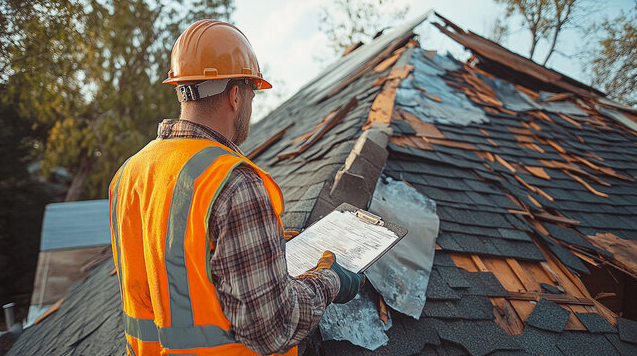
Storm damage roof repairs are essential for protecting homes after severe weather events such as heavy rain, hail, strong winds, and thunderstorms. Storms can cause missing shingles, roof leaks, structural damage, and weakened roofing systems that may worsen if not repaired quickly. A professional roofing company can quickly assess the extent of the damage and provide the right repair solutions to restore safety and durability.
Timely repairs help prevent water intrusion, mold growth, and costly structural issues. Understanding how storm damage affects roofs and what repair options are available can help homeowners take fast and effective action.
What Is Storm Damage Roof Repair
Storm damage roof repair refers to fixing roofing problems caused by extreme weather conditions. This includes repairing broken shingles, sealing leaks, replacing damaged flashing, and restoring structural integrity.
In many cases, storm damage is not always visible from the ground, which is why professional inspection is often required to identify hidden issues.
Common Types of Storm Roof Damage
Storms can affect roofs in different ways depending on intensity and roofing material.
Strong winds can lift or completely remove shingles, exposing the roof underlayment. Hail can cause dents, cracks, and punctures in shingles or metal roofing. Heavy rain can lead to leaks, especially if there are existing weak spots.
Falling tree branches can cause direct structural damage, while debris buildup can block drainage systems and lead to water pooling on flat roofs.
Signs of Storm Damage on Roofs
After a storm, it is important to check for visible and hidden damage.
Missing or broken shingles are one of the most obvious signs. Water stains on ceilings or walls often indicate roof leaks. Granules from shingles collecting in gutters can signal wear and impact damage.
Sagging roof areas, loose flashing, and damp insulation are also signs of storm-related issues. In some cases, damage may not be visible without a professional inspection.
Importance of Immediate Roof Repairs
Delaying storm damage roof repairs can lead to serious problems. Even small leaks can quickly spread and damage insulation, ceilings, and interior walls.
Timely repairs help prevent mold growth, structural weakening, and expensive restoration work. Quick action also helps maintain energy efficiency by preventing air leaks and insulation damage.
In severe cases, untreated storm damage can lead to full roof replacement.
Common Storm Damage Roof Repair Services
Different types of repairs are used depending on the extent of damage.
Shingle replacement is one of the most common services after wind or hail storms. Roof leak repair involves sealing entry points where water is entering the home. Flashing repair or replacement helps protect vulnerable areas around chimneys, vents, and skylights.
Structural repairs may be needed if roof decking or supports are damaged. Gutter and drainage repair is also important to prevent water buildup after heavy rainfall.
Roof Inspection After a Storm
A professional roof inspection is the first step after any major storm.
Inspectors check for visible damage, hidden leaks, and weakened roofing materials. They often use advanced tools like moisture detection equipment and drone imaging to assess roof conditions safely.
A detailed inspection report helps determine whether repairs or full replacement is needed.
Storm Damage Repair vs Roof Replacement
Not all storm-damaged roofs need full replacement.
Repair is suitable when damage is limited to certain areas and the roof structure is still strong. Replacement is required when damage is widespread, the roof is aging, or leaks are recurring.
A professional roofing contractor can help determine the most cost-effective solution.
Insurance and Storm Damage Claims
Many storm damage roof repairs are covered by homeowners insurance.
After documenting the damage, homeowners can file a claim with their insurance provider. Photos, inspection reports, and contractor estimates are usually required.
Working with an experienced roofing contractor can help streamline the claims process and ensure proper documentation.
Benefits of Professional Roof Repair Services
Hiring professionals ensures safe and effective repair work.
Experts can accurately identify both visible and hidden damage. They use proper materials and repair techniques to restore roof strength and durability. Professional repairs also help prevent future leaks and extend roof lifespan.
In addition, contractors ensure compliance with safety standards and building codes.
Preventing Future Storm Damage
While storms cannot be prevented, damage can be minimized with proper maintenance.
Regular roof inspections help identify weak spots before storms occur. Keeping gutters clean ensures proper drainage during heavy rain. Trimming nearby trees reduces the risk of falling branches.
Installing impact-resistant roofing materials can also improve long-term protection.
Choosing the Right Roofing Contractor
Selecting a reliable roofing contractor is important for quality repairs.
Look for licensed and insured professionals with experience in storm damage repair. A good contractor will provide a detailed inspection, clear pricing, and warranty on repair work.
Customer reviews and local experience are also important factors when choosing a service provider.
Conclusion
Storm damage roof repairs are essential for protecting homes from long-term structural issues and water damage. Quick response after severe weather helps minimize repair costs and maintain roof integrity.
By understanding the signs of damage and working with professional roofing experts, homeowners can ensure their roofs remain strong, safe, and durable throughout changing weather conditions.
FAQs
1. What should I do after storm damage to my roof
Inspect for visible damage and contact a professional roofing contractor for a full inspection.
2. How do I know if my roof has storm damage
Look for missing shingles, leaks, ceiling stains, and debris in gutters.
3. Is storm damage roof repair covered by insurance
In many cases, yes, depending on your policy and the cause of damage.
4. How long does storm damage repair take
Minor repairs may take a few hours, while major repairs can take several days.
5. Can small storm damage get worse over time
Yes, even small leaks or missing shingles can lead to serious structural problems if ignored.
6. Do I need a full roof replacement after a storm
Only if damage is widespread or the roof is already near the end of its lifespan.
7. Why is professional inspection important after storms
Because many types of storm damage are hidden and not visible from the ground.